
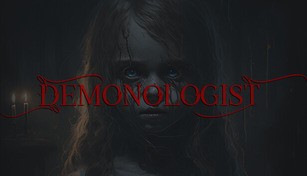
About Demonologist
A demonologist is a person who studies and deals with demons. It is a fascinating and often misunderstood field of expertise that involves in-depth knowledge of theology, psychology, and the occult. Demonologists are not to be confused with exorcists, as their primary focus is on understanding and documenting demons rather than performing religious rituals to expel them.
The Role of a Demonologist
The role of a demonologist is multifaceted and challenging. They dedicate themselves to researching and studying various aspects of demons, such as their origins, characteristics, and behaviors. Demonologists strive to uncover the hidden truths and mysteries surrounding these malevolent entities.
Their research often involves studying ancient texts, religious scriptures, and historical accounts of demonic encounters. They also investigate reported cases of demonic possession and paranormal activities, conducting interviews and collecting evidence to better understand these phenomena.
Skills and Qualifications
Becoming a demonologist requires a unique set of skills and qualifications. A strong background in theology and religious studies is essential, as it provides the necessary foundation to comprehend the religious and spiritual aspects of demonology. Demonologists also need to have a deep understanding of psychology, as they often deal with individuals who believe they are being influenced or possessed by demons.
Additionally, demonologists must possess critical thinking and analytical skills to assess and interpret information objectively. They must be meticulous and detail-oriented, as their research often involves collecting and analyzing vast amounts of data. Finally, demonologists need to maintain a sense of empathy and compassion, as their work often involves supporting individuals who are experiencing distress or fear due to demonic manifestations.
Debunking Myths
Demonology is often surrounded by various myths and misconceptions. One common myth is that demonologists are practitioners of the occult themselves or are involved in summoning demons. In reality, demonologists are scholars and researchers dedicated to studying demons from an academic and scientific perspective.
Another misconception is that demonologists are faith-based professionals belonging to a particular religion. While religion can play a role in the formation of a demonologist’s beliefs and perspective, demonology as a field involves exploring multiple religious traditions and cultural understanding of demons.
Conclusion
Demonology is a complex and intriguing field that provides valuable insights into the nature of demons and their impact on individuals and society. Demonologists play a crucial role in understanding, documenting, and analyzing demonic phenomena, bridging the gap between the supernatural and the academic world.
By debunking myths and developing a scientific understanding of demons, demonologists strive to help individuals suffering from demonic encounters and contribute to the advancement of knowledge in this fascinating field.